

Activities
Conference
series
Dic. 11th 2025 – Mar. 19th 2026
An expert look at the multiple dimensions of childhood and adolescence in Ancient Egypt.
Each week, national and international Egyptology specialists will share their latest research on motherhood, education, divine childhood, games, diseases, and the family environment of the pharaohs.
Sala Vimcorsa. All the conferences will be at 7:00 pm
Abstract
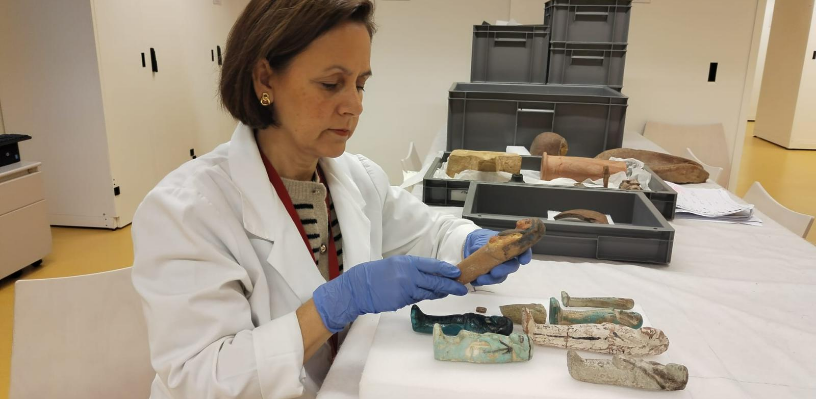
The numerous and varied sources present us with a very real and reliable picture of the prenatal phase and childhood in ancient Egypt. The protective deities of the home and family, as well as amulets, acquired special importance in preventing any possible adversity and warding off evil spirits—situations that undoubtedly occurred. Medical knowledge was fundamental to ensuring a healthy pregnancy, determining the sex of the baby, and providing care for the mother during the months leading up to the birth of her child. The arrival of a new life signified the continuity of the family, of society, and therefore, of Egyptian civilization.
(Manila, Philippines, 1971)
Technician in the Department of Egyptian and Near Eastern Antiquities at the National Archaeological Museum. A graduate in Prehistory and Archaeology (Autonomous University of Madrid), her Egyptological training took place at the Autonomous University of Madrid, with research and study stays at the Griffith Institute (Oxford).
She has participated in various national and international conferences and seminars, giving lectures on diverse aspects of Egyptian history and civilization, and coordinating and managing several exhibitions.
Her research focuses on the representation of foreigners and the payment of tribute, the historical relationship between Egypt and Nubia, and the museographic evolution of Egyptian collections and their impact on the public. She is currently involved in several research and publication projects. She is a member of the International Association of Egyptologists (IAE) and the Egypt Exploration Society (EES).
Abstract
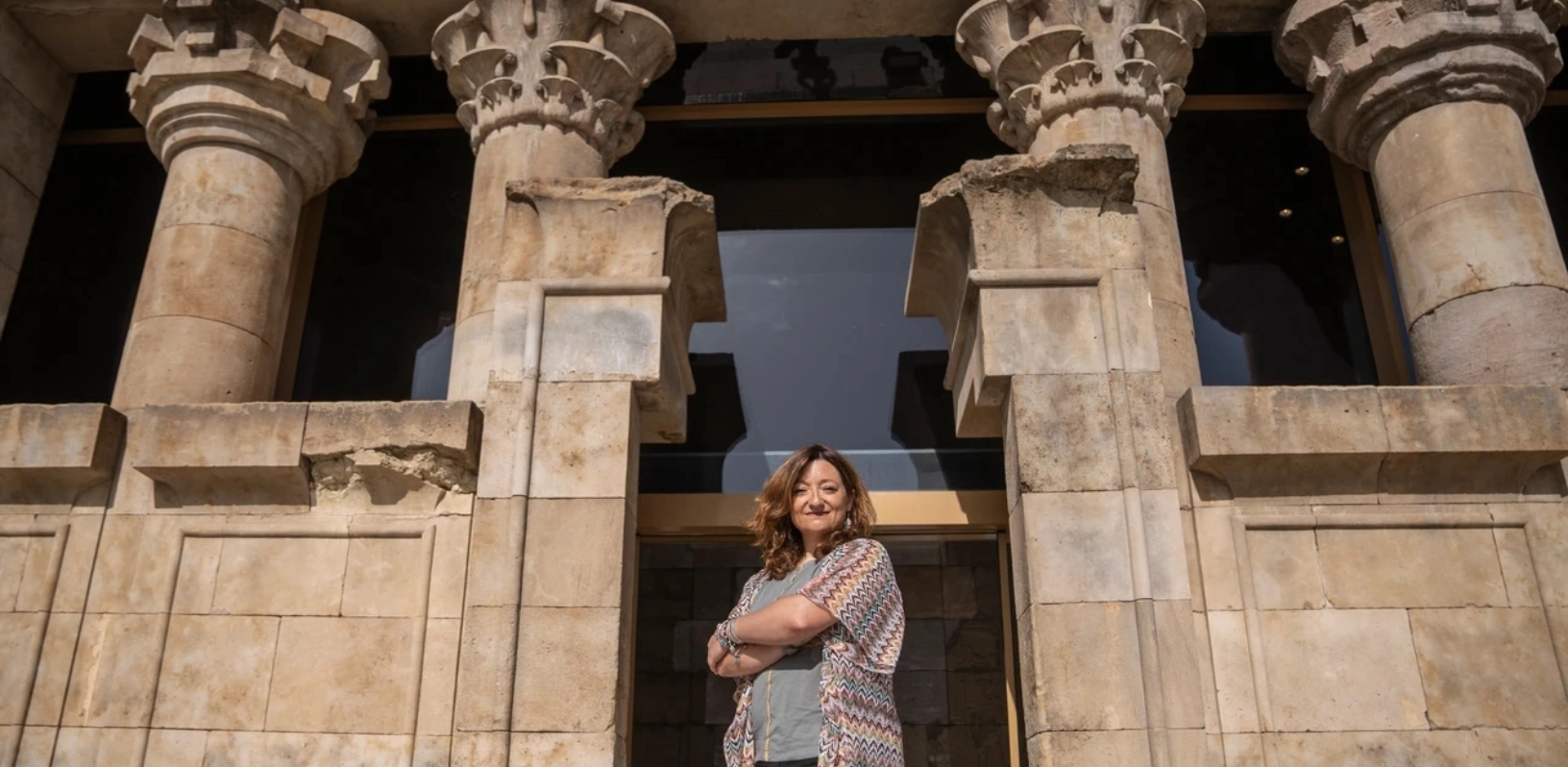
The village of Deir el-Medina—the modern name for the settlement where the artists and workers responsible for the royal tombs in the Valley of the Kings and the Valley of the Queens lived—offers an exceptional setting for the study of daily life in Pharaonic Egypt. Drawing on archaeological, iconographic, and textual sources, this work explores various aspects of childhood in this community of artisans, from birth and upbringing to death, providing a comprehensive view of this stage of life within the unique context of Deir el-Medina.
Licenciada en Historia por la Universidad de Alcalá de Henares y doctora en Historia con especialidad en Egiptología por la Universidad Autónoma de Madrid, Gema Menéndez es una de las principales
especialistas españoles en Deir el-Medina y la necrópolis tebana. A lo largo de su trayectoria ha desarrollado su labor investigadora en destacadas instituciones internacionales, entre ellas el Consejo Superior de Investigaciones Científicas, el Griffith Institute de la Universidad de Oxford, el Talen en Culturen van het Midden-Oosten de la Universidad de Leiden, el Departamento de Egipto y Sudán del British Museum, el Instituto Francés de Arqueología Oriental en El Cairo y el Departamento de Arte y Arqueología de la Universidad de Lieja (Bélgica), donde fue contratada postdoctoral.
She has participated as an archaeologist in various projects in the Theban necropolis, including the Djehuty Project, where she was responsible, between 2003 and 2013, for the reconstruction of the tomb of Hery (TT12), and the Belgian Archaeological Mission in the Theban Necropolis (MANT), where she was part of the epigraphic team for the tomb of the vizier Amenemipet (TT29). She is the author of the book *The Artist in Ancient Egypt: Life and Career of the Painters of Ramses II* (Editorial Dilema, 2019) and co-author of a volume in the Catalogue Général du Musée du Caire dedicated to the study of the stelae of Deir el-Medina.
She is currently a Professor of Egyptian Art in the Department of Art History at the UNED (National University of Distance Education).
Abstract
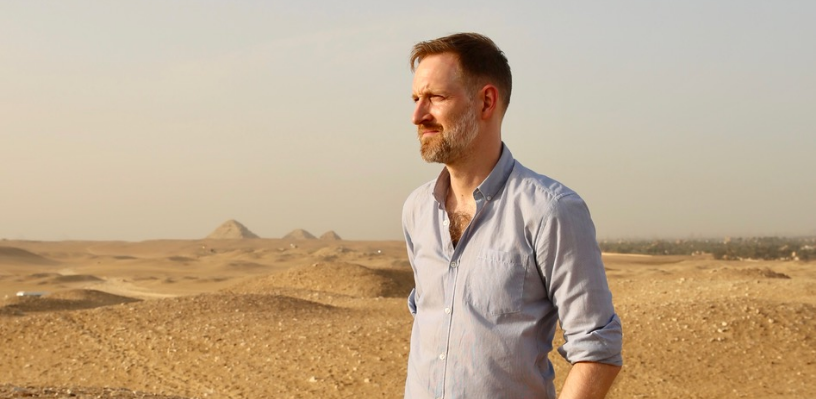
By the time of the Late Period one of the commonest icons in Egypt was the image of the mother and child, usually Isis and Horus. The concept of a divine child, of various kinds, was well-established by this time: it had been a device used by 18th Dynasty pharaohs such as Hatshepsut and Amenhotep III to emphasise their legitimacy and divinity; much later Cleopatra would use similar ideas to establish herself as a kind of divine mother, Isis, and by extension her son Caesarion, as Horus and the legitimate heir to her throne.
Chris Naunton is an Egyptologist and author of several books including Searching for the Lost Tombs of Egypt (2018) and Egyptologists’ Notebooks (2020. He regularly appears in television documentaries on ancient Egypt and lectures around the UK, overseas and online. He was Director (CEO) of the Egypt Exploration Society from 2012 to 2016 and is now Director of the Robert Anderson Trust.
Abstract
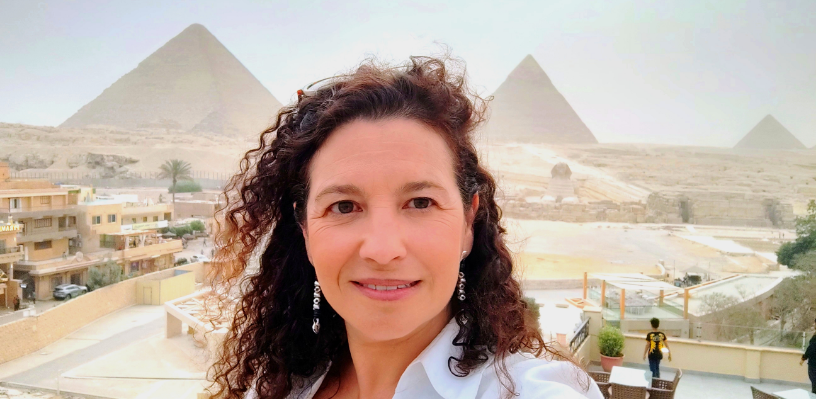
We will analyze the iconography of childhood in ancient Egypt, paying attention to how love and the desire to protect children were depicted. Significantly, Egyptian art shows love through poses rather than facial expressions. Particularly interesting are the scenes from the New Kingdom within a funerary context, which dictated a canonical and restrained representation of the young. Some examples offer emotive images of figures embracing or holding hands. The art of the Amarna period is exceptional, offering intimate scenes of the royal family that reveal an explosion of loving expression.
With a degree in History from the University of Alcalá, she earned her doctorate from the same university in 2004 with a dissertation on the relationship between Egypt and the Aegean region during the 2nd millennium BCE and its iconographic influence. She has furthered her studies with research stays at the Griffith Institute, University of Oxford. She joined the Department of Art History at the UNED (National University of Distance Education) in 2010, where she carries out research and teaching focused on Egyptian art, currently as a tenured lecturer. Since 2017, she has been a member of the “C2 Royal Cache Survey Project,” which conducts excavations in Luxor, Egypt. Since 2021, she has directed the research group MAAT: Memory, Ancient Art, and Tradition. Her research focuses on the figure of the artist and the iconography of New Kingdom art. She has extensively disseminated her research through books, articles, television programs, and curating exhibitions.
Abstract
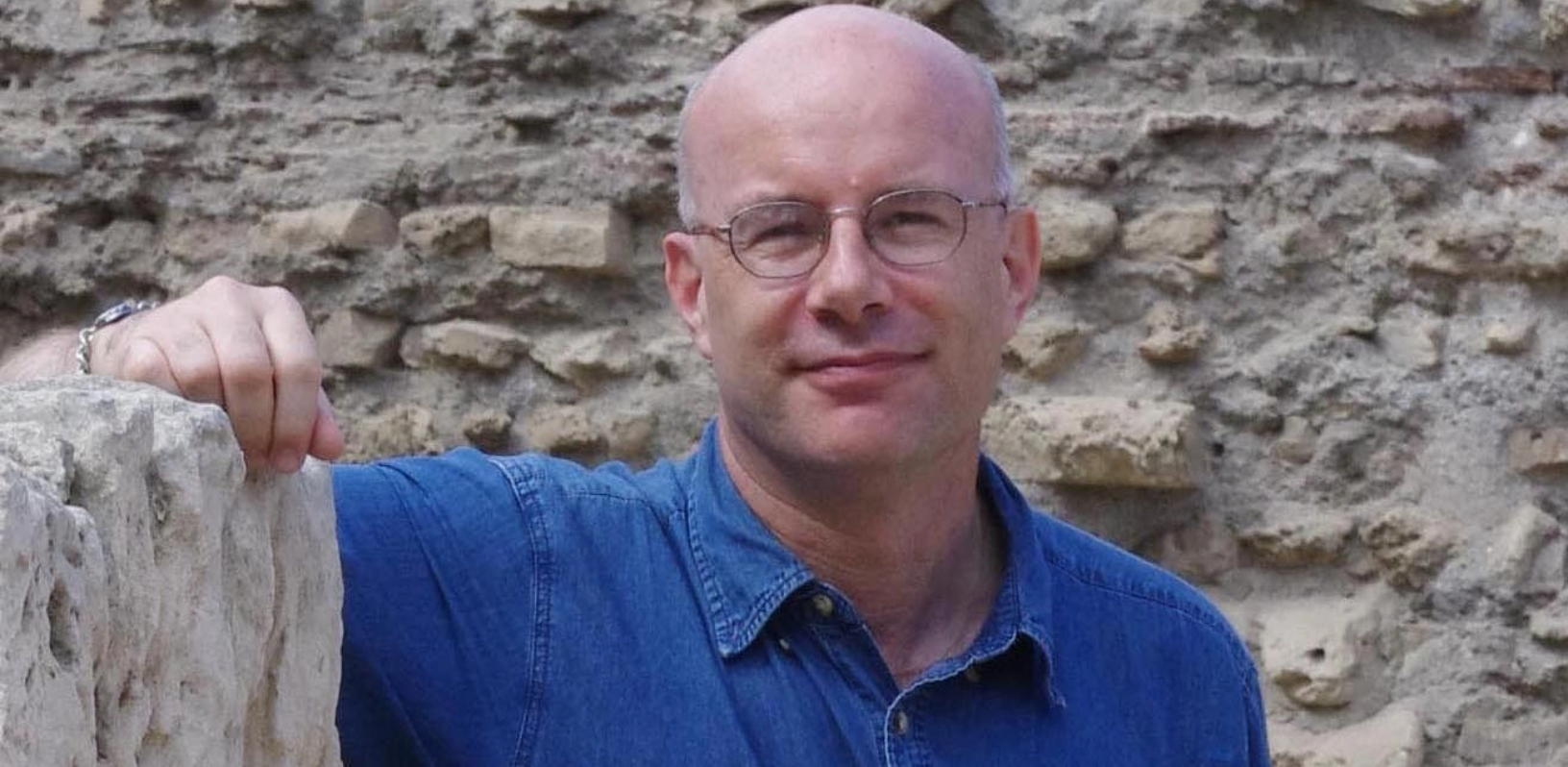
Kings of Egypt generally had large families, with more than wife, and from among the
sons would usually come the next pharaoh. Beyond this, the role and status of royal
children would vary across time. At some periods, royal sons were prominent in
government; at others, they are almost invisible. Royal daughters are generally
better-attested, and at some periods regularly married into the Egyptian nobility.
This lecture will examine what we know about growing up as a royal child, and what
the future was likely to hold for them, across a period of three millennia.
Aidan Dodson is honorary Professor of Egyptology at the University of Bristol, UK,
where he has taught since 1996. He holds degrees from the Universities of Liverpool
and Cambridge, and is the author of some thirty books and over 400 articles and
reviews.
Abstract
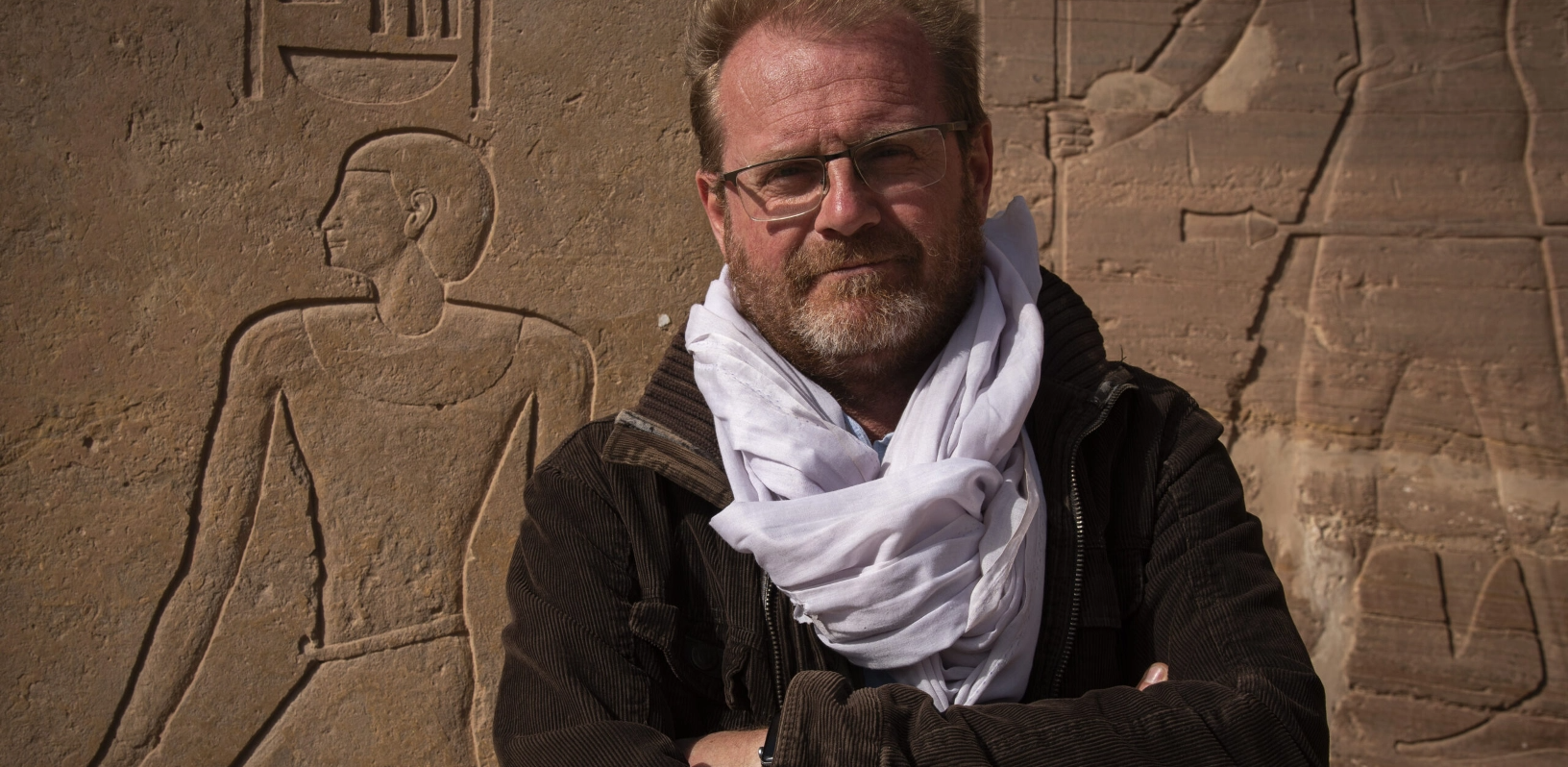
Childhood and early adolescence were periods of anonymity for the children of high-ranking officials in Middle Kingdom Egypt. This was most likely due to high infant mortality. Most representations of the children of high-ranking officials should be understood as a way of confirming dynastic continuity. In 2017, the University of Jaén’s project at Qubbet el-Hawa discovered an intact chamber containing the burial of a child whose grave goods were exceptionally rich, as he was the son of a governor. In this talk, we will analyze the grave goods and the role this child played in life and the afterlife, as well as delve into some aspects of his life.
Director of archaeological excavations at the Qubbet el-Hawa site (Aswan, Egypt).
Professor in the Department of Ancient History at the University of Jaén, where he teaches Egyptology and Near Eastern Archaeology. Since 2010, he has directed three R&D projects funded by the Ministry of Economy and Competitiveness (HAR2009-08600, HAR2013-42186-P, and HAR2016-75533-P) with three main objectives: archaeological excavation and historical study of the Qubbet el-Hawa necropolis, translation of written sources from the Aswan region, and promotion of the heritage of West Aswan as an element of economic development for local populations. His research focuses on Egyptian funerary archaeology, the analysis of local administration, and the relations between Egypt and Nubia.
Abstract
It is a remarkable phenomen: The goddess Thoeris, Egyptian Ta-Weret („The-Great-One“), has enjoyed
adoration for the longest time in Egyptian history. However, Bes who really became Bes only as late as in Dynasty 26 (c. 600 B.C.E.) would very quickly supersede the venerable goddess as most popular deity in the realm of Egyptian private life. The lecture will analyse the mechanisms behind it and will finally show that the career of Bes in the later phases of Egyptian religion was not only an extraordinary one, but was also exceedingly diverse.
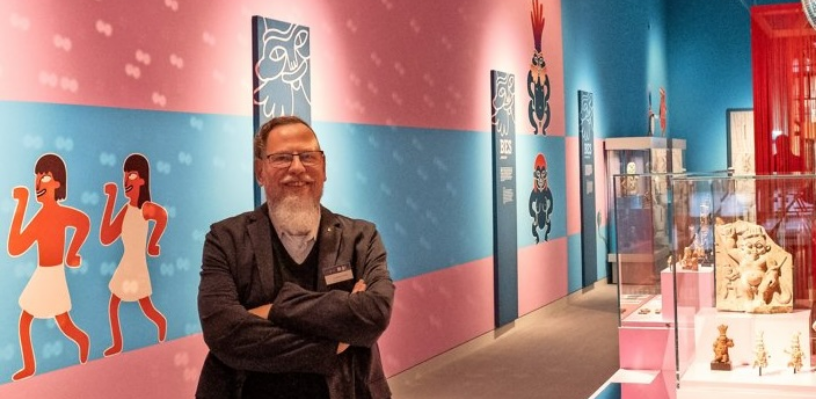
Christian E. Loeben studied Egyptology, Art History (including Islamic Art) and Hebrew at the
Free University of (then West-)Berlin. His M.A.-thesis 1985 at this university was on “Inscribed
boxes and chests from the tomb of Tutankhamun”. Already while still a student he regularly
spent many months in Egypt doing fieldwork in Saqqara, Thebes and later at Deir el-Haggar,
Dakhleh Oasis. 1985-7 employment by the University of Chicago (Epigraphic Survey, Chicago
House) in Luxor. 1990-1 teaching assignment at „Institut Khéops“, Paris. 1992-2003 “Assistent”
(Assistant Professor) for Egyptology at Humboldt University Berlin, of which the last two
semesters he was replacing the vacant full professorship of Egyptology. 1999 Ph.D. on
„Observations concerning the Context and the Functioning of Royal Statuary in the Temple of
Amun at Karnak” (published: Leipzig 2001). Egyptological teaching assignments also at the
universities of Cologne, Göttingen, Havana, Leiden, Leipzig, Leuven and Marburg. Since 2004
keeper of the collections of Ancient Egypt and Islam at “Museum August Kestner” in
Hanover/Germany, where he has already realised over a dozen special exhibitions, three of
which were international cooperations. Especially successful was his exhibition “Friendly demon
Bes – protector god of Egypt” which was shown in Amsterdam, Copenhagen and Hanover
(2019-2022). In 2012 he was the only German member of an international committee evaluating
the scientific work of the Egyptian Department of “Musée du Louvre” (Paris) and in 2021/22 in a
similar committee for “Antikenmuseum Basel und Sammlung Ludwig”. He has been invited
member of international vetting committees for the following art fairs: BAAF (Basel and
Brussels), BRAFA (Brussels), TEFAF (Maastricht), Bourgogne Tribal Show as well as OPUS and
FAB – Fine Arts La Biennale (both Paris).
ABSTRACT
The Satire of Trades, also known as the Teaching of Kheti, is one of the most fascinating wisdom texts from ancient Egypt. Written during the Middle Kingdom and widely copied in later periods, it exalts the value of education and the prestige of the scribal profession—the very foundation of Egyptian administration and culture. This conference will explore how Kheti’s text reflects the ideals, institutions, and daily realities of ancient Egyptian schooling, from palace education and temple “Houses of Life” to the training of young scribes. It will also shed light on the role of women’s education and the enduring legacy of learning in pharaonic society.
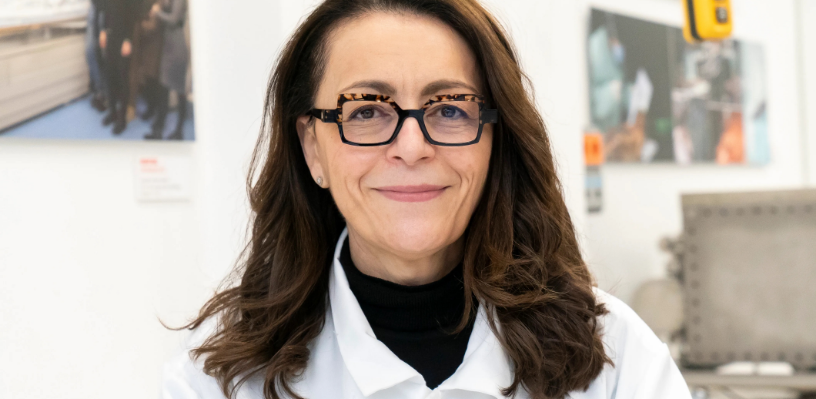
Daniela Picchi is the Head of the Egyptian Collection at the Archaeological Museum of Bologna and has just completed her second term as Secretary of the International Committee on Egyptology (CIPEG) of ICOM, after serving as a board member for many years. She plays a key role in the study, preservation, and promotion of numerous lesser-known or previously unstudied Egyptian collections in Italy. Her research, which focuses on both the history of collecting and material culture, explores the early reception of ancient Egypt in Italy and Europe. In particular, she is currently studying and publishing on the history of the Bolognese Egyptian collections from the 16th century onwards. Other ongoing research projects are the Bologna Mummy Project (BOmp) in collaboration with the EURAC Mummy Research Institute in Bolzano, the Egyptian Blue Network (BLUENET) under the aegis of the Accademia Nazionale dei Lincei, Imag(in)ing Egyptology, The Bologna Coffin Project in partnership with the Politecnico of Milan and the Antiquitatum Thesaurus project in partnership with the Berlin-Brandenburgische Akademie der Wissenschaften.
ABSTRACT
The Satire of Trades, also known as the Teaching of Kheti, is one of the most fascinating wisdom texts from ancient Egypt. Written during the Middle Kingdom and widely copied in later periods, it exalts the value of education and the prestige of the scribal profession—the very foundation of Egyptian administration and culture. This conference will explore how Kheti’s text reflects the ideals, institutions, and daily realities of ancient Egyptian schooling, from palace education and temple “Houses of Life” to the training of young scribes. It will also shed light on the role of women’s education and the enduring legacy of learning in pharaonic society.
Daniela Picchi is the Head of the Egyptian Collection at the Archaeological Museum of Bologna and has just completed her second term as Secretary of the International Committee on Egyptology (CIPEG) of ICOM, after serving as a board member for many years. She plays a key role in the study, preservation, and promotion of numerous lesser-known or previously unstudied Egyptian collections in Italy. Her research, which focuses on both the history of collecting and material culture, explores the early reception of ancient Egypt in Italy and Europe. In particular, she is currently studying and publishing on the history of the Bolognese Egyptian collections from the 16th century onwards. Other ongoing research projects are the Bologna Mummy Project (BOmp) in collaboration with the EURAC Mummy Research Institute in Bolzano, the Egyptian Blue Network (BLUENET) under the aegis of the Accademia Nazionale dei Lincei, Imag(in)ing Egyptology, The Bologna Coffin Project in partnership with the Politecnico of Milan and the Antiquitatum Thesaurus project in partnership with the Berlin-Brandenburgische Akademie der Wissenschaften.
ABSTRACT
The Satire of Trades, also known as the Teaching of Kheti, is one of the most fascinating wisdom texts from ancient Egypt. Written during the Middle Kingdom and widely copied in later periods, it exalts the value of education and the prestige of the scribal profession—the very foundation of Egyptian administration and culture. This conference will explore how Kheti’s text reflects the ideals, institutions, and daily realities of ancient Egyptian schooling, from palace education and temple “Houses of Life” to the training of young scribes. It will also shed light on the role of women’s education and the enduring legacy of learning in pharaonic society.
Daniela Picchi is the Head of the Egyptian Collection at the Archaeological Museum of Bologna and has just completed her second term as Secretary of the International Committee on Egyptology (CIPEG) of ICOM, after serving as a board member for many years. She plays a key role in the study, preservation, and promotion of numerous lesser-known or previously unstudied Egyptian collections in Italy. Her research, which focuses on both the history of collecting and material culture, explores the early reception of ancient Egypt in Italy and Europe. In particular, she is currently studying and publishing on the history of the Bolognese Egyptian collections from the 16th century onwards. Other ongoing research projects are the Bologna Mummy Project (BOmp) in collaboration with the EURAC Mummy Research Institute in Bolzano, the Egyptian Blue Network (BLUENET) under the aegis of the Accademia Nazionale dei Lincei, Imag(in)ing Egyptology, The Bologna Coffin Project in partnership with the Politecnico of Milan and the Antiquitatum Thesaurus project in partnership with the Berlin-Brandenburgische Akademie der Wissenschaften.
ABSTRACT
The Satire of Trades, also known as the Teaching of Kheti, is one of the most fascinating wisdom texts from ancient Egypt. Written during the Middle Kingdom and widely copied in later periods, it exalts the value of education and the prestige of the scribal profession—the very foundation of Egyptian administration and culture. This conference will explore how Kheti’s text reflects the ideals, institutions, and daily realities of ancient Egyptian schooling, from palace education and temple “Houses of Life” to the training of young scribes. It will also shed light on the role of women’s education and the enduring legacy of learning in pharaonic society.
Daniela Picchi is the Head of the Egyptian Collection at the Archaeological Museum of Bologna and has just completed her second term as Secretary of the International Committee on Egyptology (CIPEG) of ICOM, after serving as a board member for many years. She plays a key role in the study, preservation, and promotion of numerous lesser-known or previously unstudied Egyptian collections in Italy. Her research, which focuses on both the history of collecting and material culture, explores the early reception of ancient Egypt in Italy and Europe. In particular, she is currently studying and publishing on the history of the Bolognese Egyptian collections from the 16th century onwards. Other ongoing research projects are the Bologna Mummy Project (BOmp) in collaboration with the EURAC Mummy Research Institute in Bolzano, the Egyptian Blue Network (BLUENET) under the aegis of the Accademia Nazionale dei Lincei, Imag(in)ing Egyptology, The Bologna Coffin Project in partnership with the Politecnico of Milan and the Antiquitatum Thesaurus project in partnership with the Berlin-Brandenburgische Akademie der Wissenschaften.
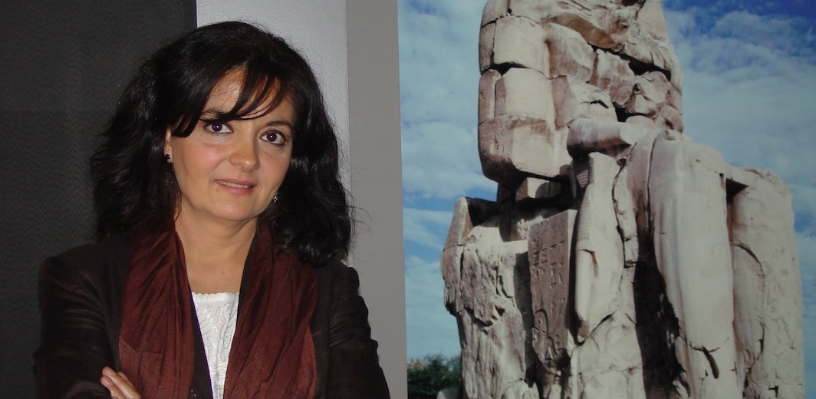
Abstract
One of the most important activities during childhood and adolescence in ancient Egypt was
playing games, either alone or with others.
Games are a form of entertainment while also involving a set of rules that children and adolescents must follow.
Through games, they learn to socialize and forge bonds with others, to share, negotiate, resolve conflicts, and reach agreements; in other words, games lay the foundation for the development of social knowledge and skills that will help them face adult life when the time comes.
– PhD in Ancient History and Archaeology from the University of Barcelona with the doctoral thesis: Exploitation of Metals in Ancient Egypt (Cum Laude)
– Head Curator of the Department of Egyptian and Near Eastern Antiquities at the National Archaeological Museum
– Co-director of the Spanish Archaeological Mission to Oxyrhynchus (El-Bahnasa), Egypt
– She has curated several exhibitions on Egypt, such as Daughters of the Nile: Women and Power in Ancient Egypt (Palacio de las Alhajas, Madrid; 2022); Tutankhamun: His Tomb and Treasures (2008-2010 in Madrid and Barcelona; 2019-2020 in Madrid); Spanish Archaeological Research in Egypt (November 2021-January 2022 at the Museum of Almería; September-December 2022 at the ARQUA Museum of Cartagena).
He has given numerous lectures and participated as a speaker at numerous national and international conferences on the results of the excavations at Oxyrhynchus, museology, metals in Ancient Egypt, and various museum collections in Spain.
He has published in numerous Spanish and international journals, as well as several books on Egyptian terracotta from the Greco-Roman period; metals in Ancient Egypt; and on the results of the excavations at Oxyrhynchus, such as Monumental Tomb No. 14 from the Saite period in the Upper Necropolis.
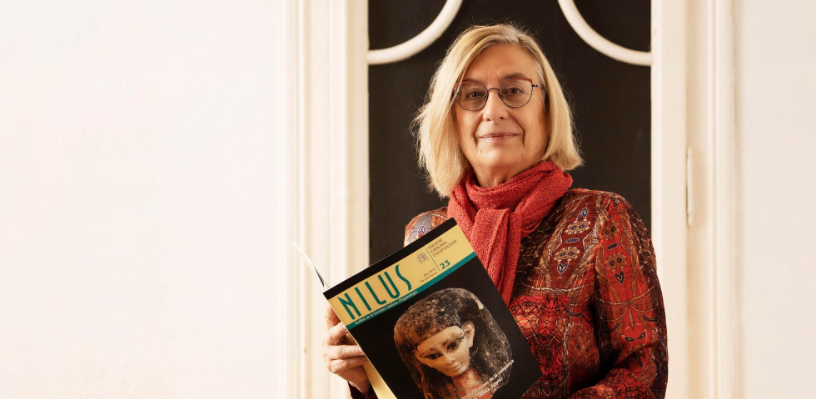
Abstract
For the ancient Egyptians, there was also only one god: Ra, the sun. An omnipotent god who manifested himself in countless forms of women, men, and animals. Emerging from a primordial intelligence, Atum, he united several of his forms, giving rise to the so-called divine triads: a couple and their child. One example, among others, is the triad formed by Horus, son of Osiris and Isis. This child god manifested himself in a manner similar to any other. Distinguishing features of a child god included a braid on the right side of his head and the gesture of bringing the index finger of his right hand to his mouth.
Member of the Oxyrhynchus Archaeological Mission team (El Bahnasa, Egypt) since 1992 and co-director from 2019 to the present.
Vice President of the Catalan Society of Egyptology since 1988.
Scientific advisor to Arata Isozaki’s architectural team for the museographic design of the National Museum of Egyptian Civilisation (NMEC), Cairo, Egypt, since 2010. She has attended numerous Egyptology conferences, taught university master’s programs, courses, lectures, and seminars, and has published several articles, catalogue entries, and other contributions on Egyptology.
She has curated several exhibitions on Ancient Egypt.
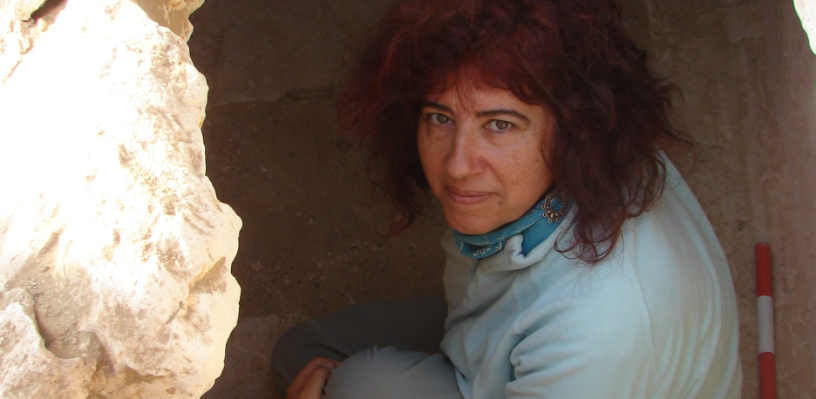
Abstract
Life in Egypt was harsh even before birth: pregnancy, childbirth, and the early years were fraught with danger. To survive in such a cruel environment, children were provided with various mechanisms for survival, from jewelry that protected them from drowning in the Nile to horoscopes that foretold their lives. But despite everything, the presence of infant masks and funerary epitaphs demonstrates that no one escapes death.
| Associate professor of the Department of Applied Didactics of the Faculty of Education of the University of Barcelona (2024).
| Collaborating professor at the Universitat Oberta de Catalunya (2023-2024, 20242025) of the subject The ancient world.
| Lecturer on Egyptology in University Extension Classrooms, various museums (Museum of Archeology of Catalonia, Egyptian Museum of Barcelona, Gavà Museum), Castell de Perelada, UNED, UNESCO friends, etc.
| Member of the work team of the DIDPATRI INNOVA Teaching Innovation Group (Didàctica del Patrimoni i noves tecnologies) of the University of Barcelona (2024).
| Member of the Archaeological Mission of the University of Barcelona in Oxyrhynchus (El Bahnasa, Egypt) since 1999.
| Member of the working group for the R&D project “Intrafamilial Vulnerability and Politics in the Ancient World” (PID2020-116349GB-100).
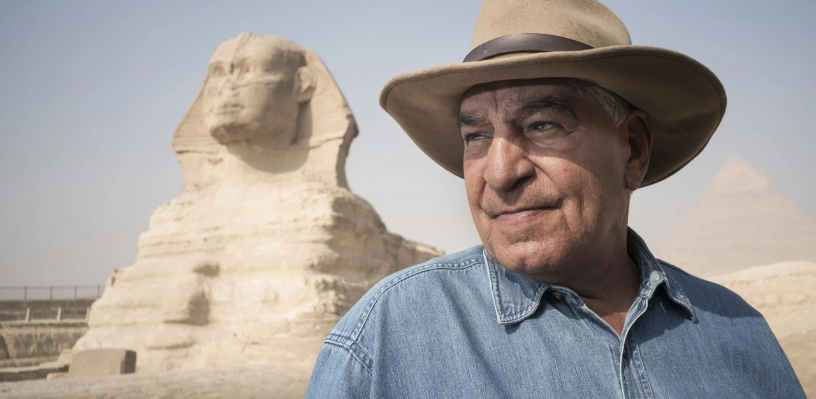
Abstract
It is a remarkable phenomen: The goddess Thoeris, Egyptian Ta-Weret („The-Great-One“), has enjoyed
adoration for the longest time in Egyptian history. However, Bes who really became Bes only as late as in Dynasty 26 (c. 600 B.C.E.) would very quickly supersede the venerable goddess as most popular deity in the realm of Egyptian private life. The lecture will analyse the mechanisms behind it and will finally show that the career of Bes in the later phases of Egyptian religion was not only an extraordinary one, but was also exceedingly diverse.
Christian E. Loeben studied Egyptology, Art History (including Islamic Art) and Hebrew at the
Free University of (then West-)Berlin. His M.A.-thesis 1985 at this university was on “Inscribed
boxes and chests from the tomb of Tutankhamun”. Already while still a student he regularly
spent many months in Egypt doing fieldwork in Saqqara, Thebes and later at Deir el-Haggar,
Dakhleh Oasis. 1985-7 employment by the University of Chicago (Epigraphic Survey, Chicago
House) in Luxor. 1990-1 teaching assignment at „Institut Khéops“, Paris. 1992-2003 “Assistent”
(Assistant Professor) for Egyptology at Humboldt University Berlin, of which the last two
semesters he was replacing the vacant full professorship of Egyptology. 1999 Ph.D. on
„Observations concerning the Context and the Functioning of Royal Statuary in the Temple of
Amun at Karnak” (published: Leipzig 2001). Egyptological teaching assignments also at the
universities of Cologne, Göttingen, Havana, Leiden, Leipzig, Leuven and Marburg. Since 2004
keeper of the collections of Ancient Egypt and Islam at “Museum August Kestner” in
Hanover/Germany, where he has already realised over a dozen special exhibitions, three of
which were international cooperations. Especially successful was his exhibition “Friendly demon
Bes – protector god of Egypt” which was shown in Amsterdam, Copenhagen and Hanover
(2019-2022). In 2012 he was the only German member of an international committee evaluating
the scientific work of the Egyptian Department of “Musée du Louvre” (Paris) and in 2021/22 in a
similar committee for “Antikenmuseum Basel und Sammlung Ludwig”. He has been invited
member of international vetting committees for the following art fairs: BAAF (Basel and
Brussels), BRAFA (Brussels), TEFAF (Maastricht), Bourgogne Tribal Show as well as OPUS and
FAB – Fine Arts La Biennale (both Paris).
All the COnferences will be in Vimcorsa Room at 7:00 pm
Free admission until capacity is reached
Guided
tours
GENERAL PUBLIC
Tuesday to Friday
5:30 am a 6:00 pm | 6:05 pm a 6:35 pm
Sábados
10:30 am a 11:00 am | 11:05 am a 11:35 am
Ticket required for entry.
SCHOOLARS GROUP
Tuesday to Friday
Vimcorsa Room
10:00 am to 10:30 am
Orive Room
10:30 am to 11:00 am
SOLD OUT
To arrange a visit, please contact:
| Primary and Secondary Schools
Education Department of the Córdoba City Council actividades.educacion@ayuncordoba.es
| High School
Youth Department of the Córdoba City Council juventud@cordoba.es
Book your free access

